What is Sustainable Coffee Sourcing? A Guide for Conscious Drinkers
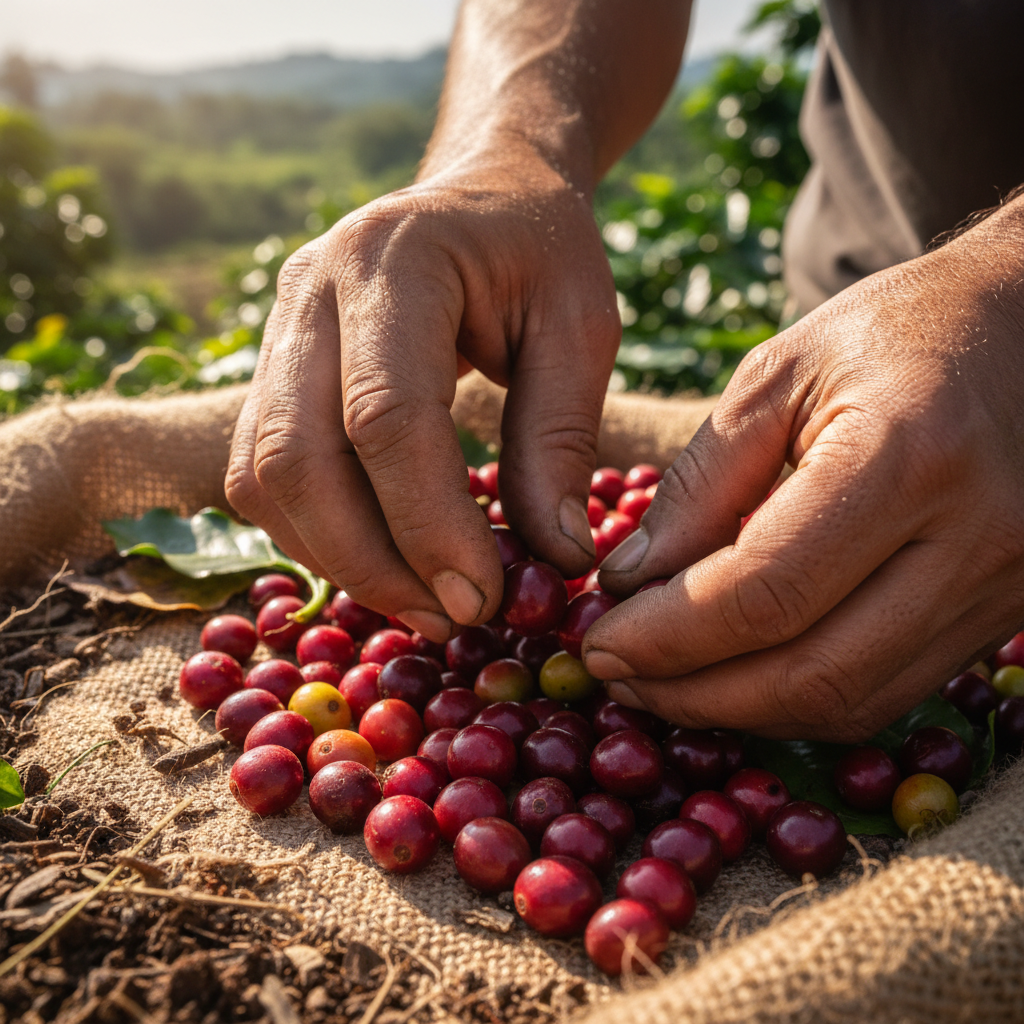
It starts long before the sun is up. A farmer in a high-altitude cooperative in Guatemala walks through rows of coffee trees, checking the ripeness of the deep red cherries. The air is cool, the ground is damp, and the forest canopy above is alive with birds. This isn’t just a farm; it’s an ecosystem. The coffee grown here will travel thousands of miles to find its way into your morning cup. But what does it take to ensure that journey is a good one—for the farmer, for the forest, and for the future of coffee itself? The answer lies in a term we see everywhere but often don’t get to look behind: sustainability.
Beyond the Buzzword: What “Sustainable Coffee” Really Means
“Sustainable” is one of the most popular words in the coffee world, printed on bags, menus, and café windows. But its true meaning is far deeper than a simple label. At its core, sustainable coffee is about balance. It’s a holistic approach that considers the entire lifecycle of a coffee bean, from the soil it was grown in to the cup you hold in your hands.
It means that the coffee was produced in a way that can be continued indefinitely without depleting natural resources, without exploiting people, and without going broke. It’s the opposite of a short-term, extractive mindset. True sustainability ensures that the system—ecological, social, and economic—is healthy and resilient for generations to come. It’s an active commitment, not a passive claim, requiring constant work, investment, and partnership up and down the supply chain.
The Three Pillars of Sustainability: Planet, People, Profit
To truly grasp sustainability, it helps to break it down into three interconnected pillars. For a coffee to be genuinely sustainable, it must satisfy the needs of all three. They aren’t a checklist; they are a braid, each one strengthening the others.
Environmental Impact: Shade-Grown, Water Use, and Biodiversity
The planet is the foundation of it all. Environmentally sustainable coffee focuses on farming practices that work in harmony with nature, not against it. This includes:
- Shade-Grown vs. Sun-Grown: Traditionally, coffee grew under the canopy of larger trees. “Shade-grown” coffee maintains this practice, creating a robust habitat for birds and insects, improving soil health, and often leading to slower-maturing, more complex-tasting coffee beans.
- Water Conservation: Coffee processing can be incredibly water-intensive. Sustainable practices focus on minimizing water use, such as using the “honey” or “natural” processing methods, which use little to no water, or investing in closed-loop water filtration systems at washing stations.
- Biodiversity: Healthy farms are diverse farms. Sustainable coffee farming encourages biodiversity, using natural compost instead of chemical fertilizers, planting cover crops to protect the soil, and maintaining the native forest ecosystem around the coffee plants.
Social Responsibility: Fair Wages and Ethical Treatment
The “People” pillar is about human dignity. It ensures that the individuals who dedicate their lives to growing our coffee are treated fairly, work in safe conditions, and are paid a living wage that allows them to support their families and communities. This goes beyond a simple minimum price. It involves:
- Fair and Stable Prices: Coffee prices on the global commodity market are notoriously volatile, making it impossible for farmers to plan for the future. Ethical sourcing means paying a stable, predictable premium well above the market price.
- Community Investment: True partnership involves investing in the communities where coffee is grown. This can mean funding for local schools, healthcare clinics, or infrastructure projects that improve the quality of life for the entire community.
- Safe Working Conditions: This ensures that farmworkers are not exposed to harmful chemicals and that they have the proper training and equipment to do their jobs safely.
Economic Viability: Creating Long-Term Partnerships
The third pillar, often called “Profit,” is about ensuring economic sustainability for the farmer. If a farmer cannot make a decent living, no practice is sustainable. This pillar is the engine that makes the other two possible.
- Direct Trade: By building direct relationships with farmers and cooperatives, we can cut out unnecessary intermediaries. This means more of the final price goes directly to the people who grew the coffee.
- Long-Term Relationships: We don’t just buy coffee one season at a time. We build long-term partnerships, guaranteeing that we will be there to buy their coffee next year and the year after.
- Quality Premiums: Better coffee deserves a better price. We pay premiums for higher quality, incentivizing farmers to invest in the practices that produce the most exceptional beans.
How Verdant Roast Puts Sustainability into Practice
Our philosophy is built on these three pillars. We see them not as abstract goals, but as our daily practice. We travel to origin to meet the farmers, walk their land, and build lasting relationships. For us, the story of the bean is as important as its flavor.
We believe that the best-tasting coffee is grown with care for the earth. For instance, our Morning Grove Ethiopian Yirgacheffe is a prime example of a shade-grown, single-origin coffee, where the beans mature slowly under the natural forest canopy, developing their signature bright and floral notes.
To create our balanced blends, we seek out partners who share our values. We created our Forest Floor Blend by partnering with cooperatives in Colombia and Guatemala that are committed to both quality and community development.
Even for our darkest roasts, the sourcing is paramount. The bold, smoky flavors in our Midnight Canopy Dark Roast come from carefully selected, eco-friendly farms in Sumatra and Brazil that use responsible farming methods to produce beans with deep, rich character.
Common Terms Explained: Fair Trade, Direct Trade, Organic
The world of ethical coffee is full of certifications. Here’s a quick guide:
- Fair Trade: This is a third-party certification that guarantees a minimum price for farmers and an additional premium for community investment.
- Direct Trade: This isn’t a certification, but a sourcing method. It’s the model we practice at Verdant Roast, where we buy directly from farmers or specific cooperatives.
- Organic: This certification guarantees that the coffee was grown without the use of synthetic pesticides or fertilizers.
How You Can Make a Difference (3 Simple Tips)
- Ask Questions: Be curious about your coffee. Ask your local barista or roaster where their coffee comes from.
- Buy from Roasters Who Share Their Sourcing: Look for roasters who are open about their farmer relationships.
- Brew What You Buy: The most sustainable coffee is the coffee you don’t waste. Store your beans properly and grind them just before you brew.
Frequently Asked Questions about Sustainable Coffee
Q: Is sustainable coffee more expensive?
A: Often, yes. It costs more to pay farmers a living wage and to invest in environmentally friendly practices. We see it not as a higher cost, but as the true cost of a cup of coffee that is good for everyone involved.
Q: How can I tell if a coffee is truly sustainable?
A: Look for transparency. Roasters who are serious about sustainability are proud to tell the stories of their partner farms. Certifications can be a good starting point, but they aren’t the whole story.
Q: Does ‘single-origin’ mean ‘sustainable’?
A: Not necessarily, but there is often a strong link. Single-origin sourcing requires traceability back to a specific farm or region, which is the first step in building a sustainable relationship.
Your morning ritual has power. By choosing your coffee with intention, you are casting a vote for a healthier planet, stronger communities, and a more delicious, equitable future for coffee.
Ready to taste the difference that conscious sourcing makes?